

Research
Research on connection, belonging, and organized youth activities informs our approach. It is not a measured result of SSF's own program. Here is what that research says, where its limits are, and how we plan to measure our own impact over time.
What the research says
Research on connection and supportive relationships points to their importance for young people's well-being. Studies of organized youth activities point to the value of structure, belonging, skill-building, and positive relationships with peers and adults. Research on music therapy, listening, choirs, or other arts participation does not by itself validate SSF's contemporary ensemble training model — these are related but distinct areas of study, and we state that limit plainly rather than imply otherwise.
Young people need places where they matter.
Too many young people are struggling to feel connected, confident, and hopeful. In the CDC's 2023 national survey, 40% of high school students reported persistent feelings of sadness or hopelessness during the previous year. (CDC, 2023 Youth Risk Behavior Survey)
A statistic cannot tell any one young person's story. It does make the need for supportive relationships and meaningful belonging impossible to ignore.
Human skills matter more than ever.
Technology is changing how we learn and work. Young people still need opportunities to practice what requires other people: listening, collaborating, adapting, creating, and showing up with courage.
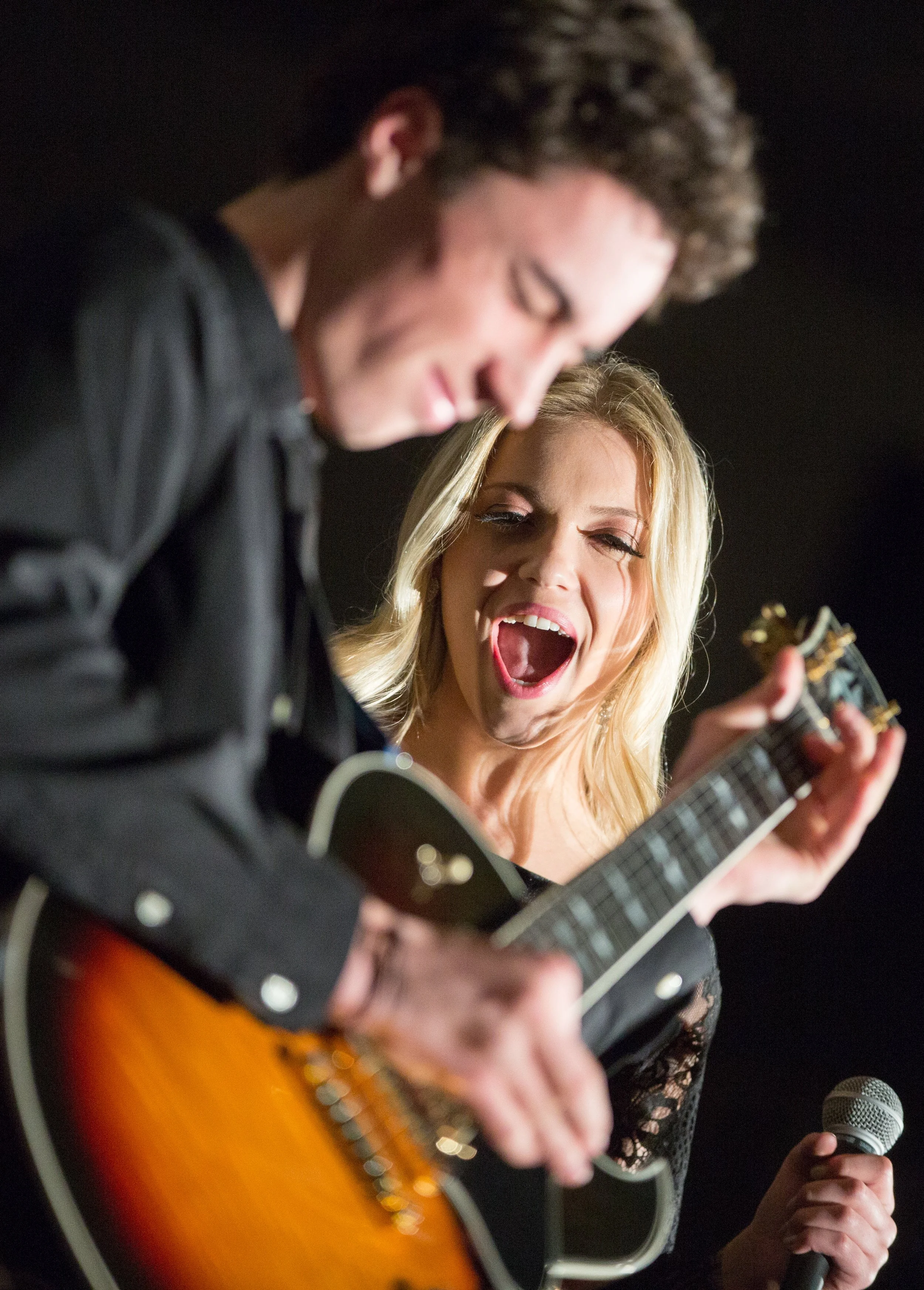
A band makes those skills immediate. You cannot create a shared performance without being present for one another.
References that inform this page: CDC, 2023 Youth Risk Behavior Survey (cdc.gov/yrbs/results/2023-yrbs-results.html); CDC, mental health and protective factors (cdc.gov/mmwr/volumes/73/su/su7304a9.htm); an umbrella review of organized activities and youth mental health (pmc.ncbi.nlm.nih.gov/articles/PMC8800068); a systematic review of music-based youth interventions (pubmed.ncbi.nlm.nih.gov/36407676); and a review of group singing and youth outcomes (pubmed.ncbi.nlm.nih.gov/41677774). These sources inform our thinking. They are not endorsements of SSF, and none of them evaluates SSF's specific program.
Our evaluation plans: we are early in building formal evaluation of our own program. As that work matures, we will publish SSF's own measured outcomes here, separate from the external research above, so supporters can see what is verified and what is still in progress.